Wineries

Wastewater treatment solutions adapted to the wine sector

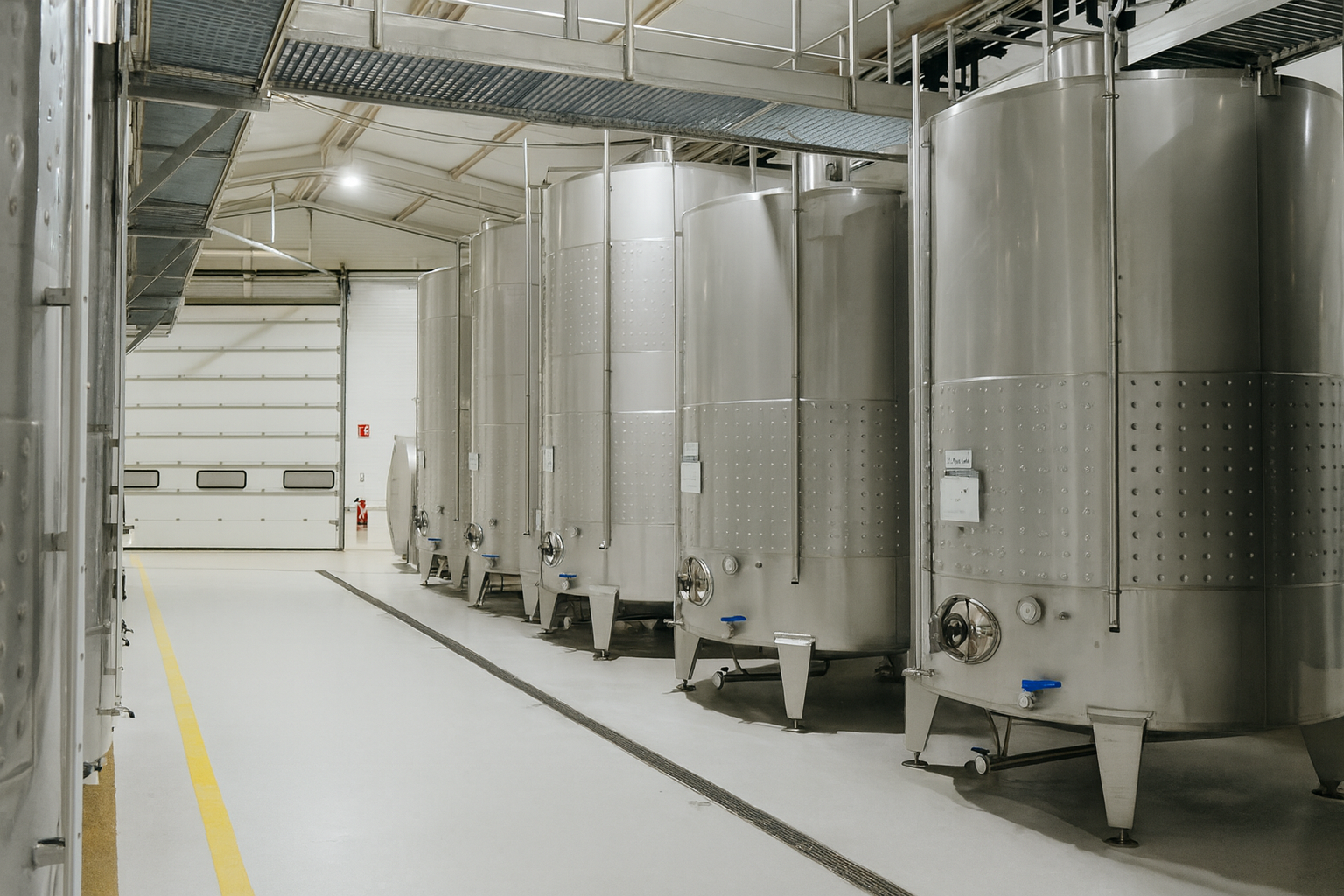
The effluents associated with wine production originate from winemaking operations - receiving the grapes, destemming, crushing, pressing and fermentation - racking and filling.

Effluents from this industrial sector are characterised by large seasonal fluctuations in volume and composition. In general, they are acidic during the winemaking period, but during the rest of the year, washing operations with alkaline detergents lead to pH neutralisation. The period between the harvest and the first transfers usually runs from September to November and represents the main production of effluent, which can reach up to 70% in terms of volume and total pollutant loads. Water consumption and the corresponding production of effluent vary greatly from plant to plant, depending largely on the water efficiency habits of industrial operators. Smaller, less modernised facilities often have ratios of 5 litres of effluent/litre of wine produced, while in more modern, larger units the ratio can drop to 1.1 - 1.25 litres of effluent/litre of wine produced.
  • Sizing on a case-by-case basis;

  • Proven experience;

  • Reliable and lasting compliance with legal requirements;

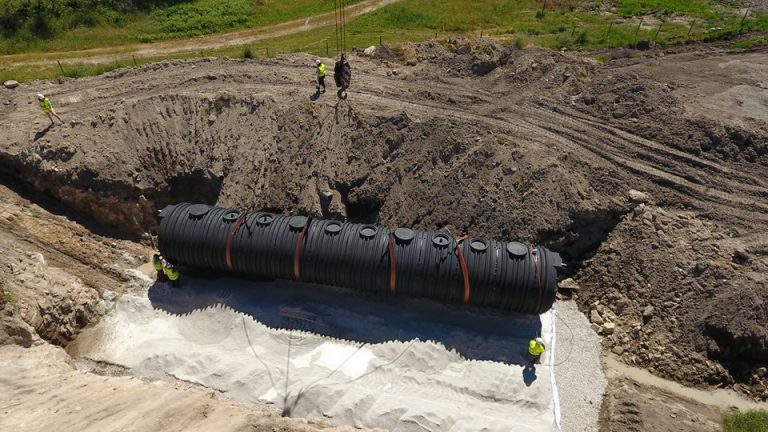
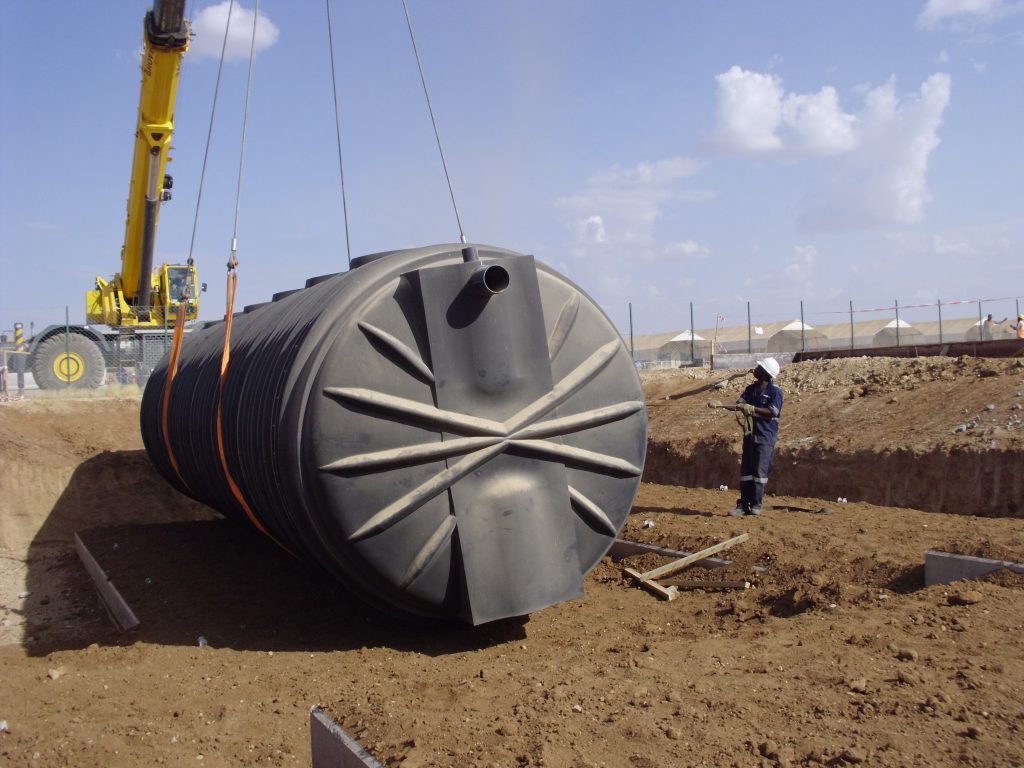
  • Elimination of soil and groundwater contamination due to the complete watertightness of the treatment units;

  • Ease and speed of installation (pre-assembled components and ISO 9001 factory conditions);

  • Easy to upgrade if production capacity increases - modular solutions.

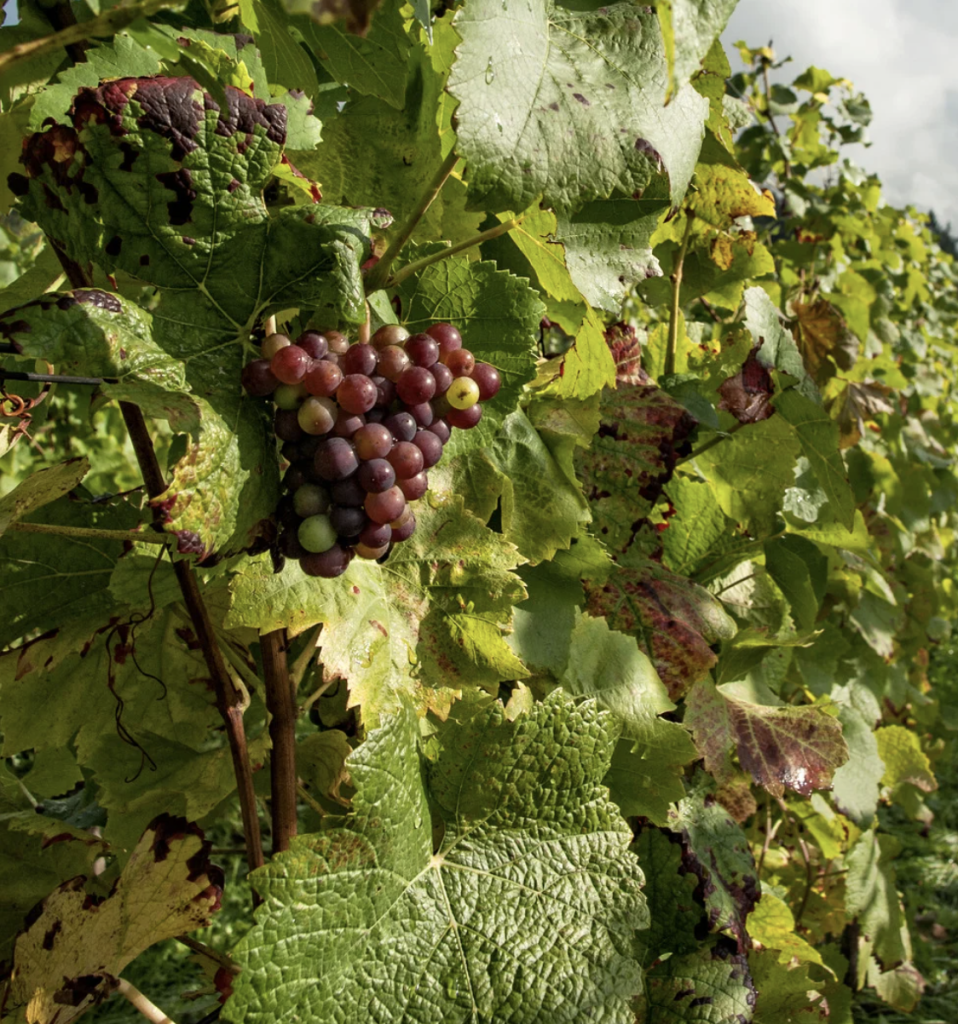
Solid materials consist of coarse elements such as stalks, pulp and pips from washing operations during winemaking, lees from washing during racking and diatomaceous earth from washing filters.

The soluble compounds are essentially sugars, alcohols, glycerol, organic acids and polyphenols from the raw material. In the case of red wines, fermentation is less polluting because the pomace carries away a large part of the suspended solid matter.

O treatment scheme basically consists of the following unit operations:

  • Preliminary treatment, The water is then finely sieved to remove coarse solids, grains and lees, making it possible to reduce part of the organic load admitted to the wastewater treatment plant;

  • Equalisation / Homogenisation, It is also at this stage that the pH and nutrient content are corrected;

  • Biological treatment, This can be intensive or extensive, depending on the availability of land and treatment objectives. In this context, ECODEPUR® has a wide range of technologies available, including emergent macrophyte beds (extensive treatments), activated sludge reactors in the SBR regime and MBBR mixed bed reactors (intensive biological treatments);

  • Tertiary treatment, In this case, the effluent will be reused whenever the treated effluent is to be reused or in situations where the discharge standards are more stringent.

Since the most frequent situation is the discharge of effluent into a watercourse, the effluent will have to be treated until it reaches the discharge limit values set out in the demanding Decree-Law no. 236/98 of 1 August, requiring average treatment efficiencies of 97 to 99% for COD and BOD5.

Technical documentation

Contact us

We're here to help! Contact us to find out more about our solutions and to discuss your next project with our experts.

Wineries

You can download the technical information on the equipment here.

ModelFile

Access the technical files

Login