Wastewater treatment solutions adapted to the wine sector
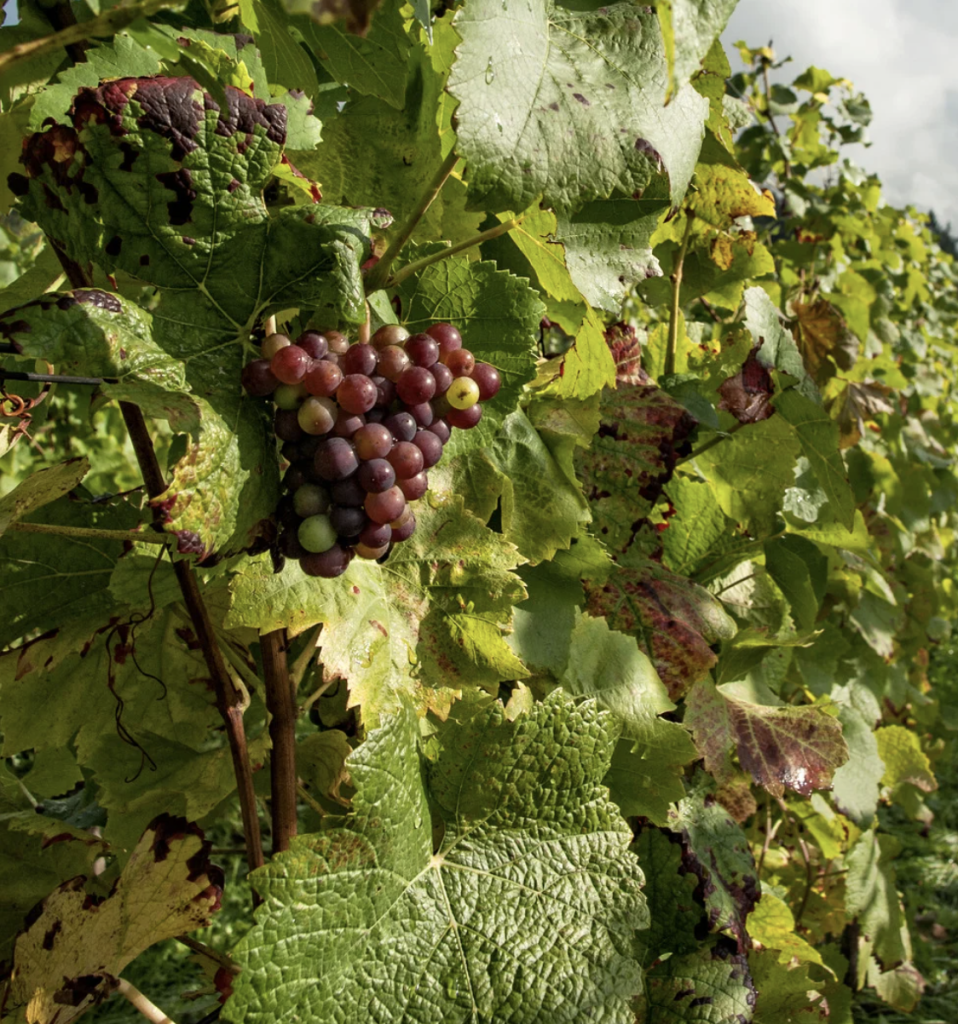
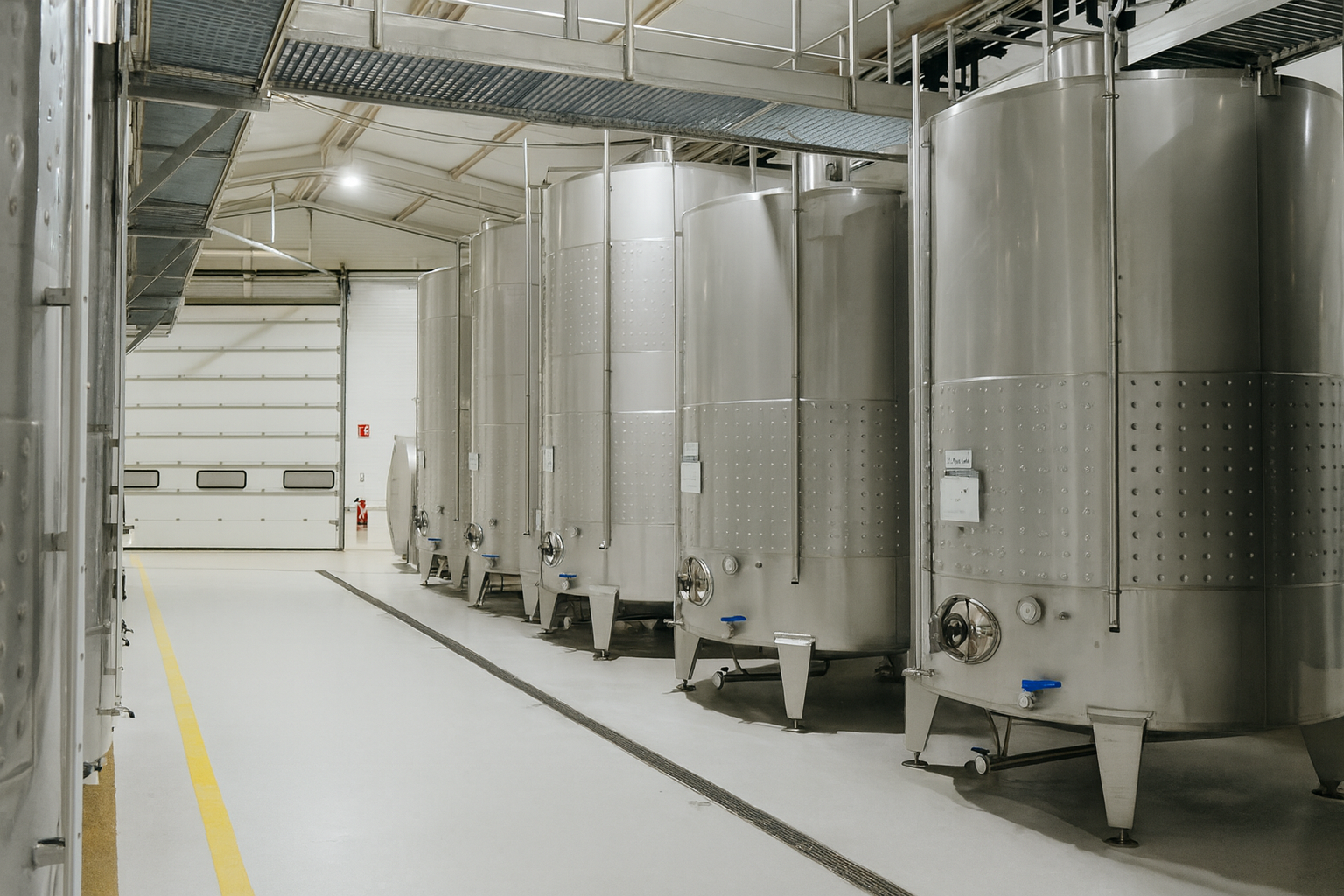
The effluents associated with wine production originate from winemaking operations - receiving the grapes, destemming, crushing, pressing and fermentation - racking and filling.
Effluents from this industrial sector are characterised by large seasonal fluctuations in volume and composition. In general, they are acidic during the winemaking period, but during the rest of the year, washing operations with alkaline detergents lead to pH neutralisation. The period between the harvest and the first transfers usually runs from September to November and represents the main production of effluent, which can reach up to 70% in terms of volume and total pollutant loads. Water consumption and the corresponding production of effluent vary greatly from plant to plant, depending largely on the water efficiency habits of industrial operators. Smaller, less modernised facilities often have ratios of 5 litres of effluent/litre of wine produced, while in more modern, larger units the ratio can drop to 1.1 - 1.25 litres of effluent/litre of wine produced.