Slaughterhouses and meat processing

Sustainable Production: Challenges and Solutions for the Meat Sector

The effluents generated have a very high organic load, which poses a serious microbiological and toxicological risk to human health.

In the case of integrated systems, with slaughtering, processing and transformation, in order to make the process more efficient and consequently improve the cost/benefit ratio, it may be favourable to separate the lines of the various production areas and their respective pre-treatments, as in the case of blood run-off.

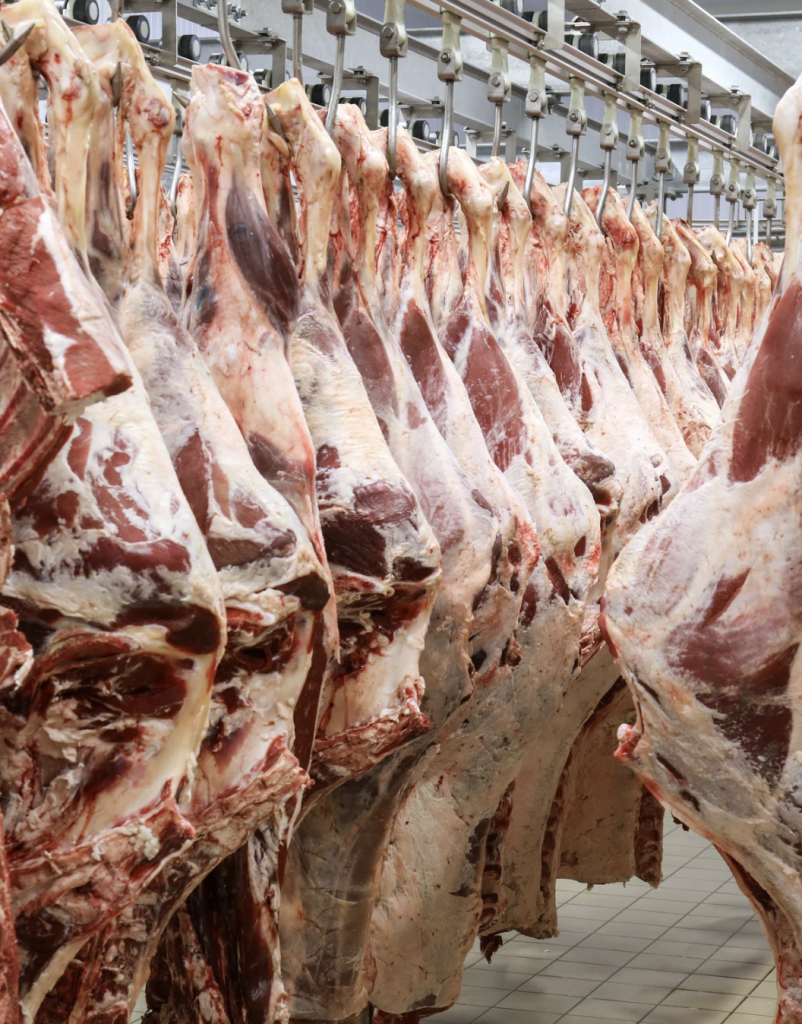
Water consumption and the level of contamination of wastewater in slaughterhouses depend essentially on the following factors: - Animal species;

- Nature and capacity of the installation;

- Intensity of carcass washing;

- Existence of effective blood separation and treatment.

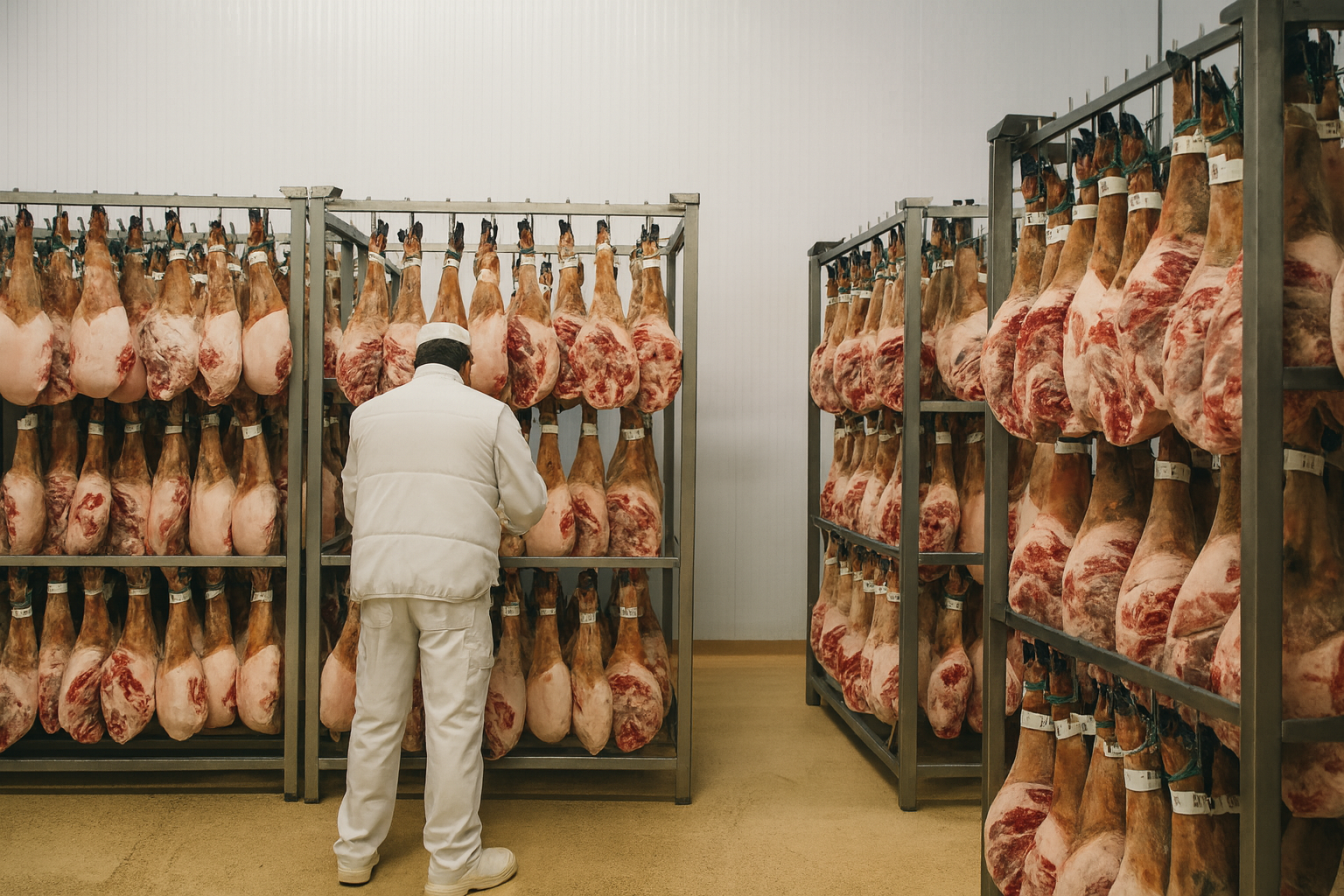
In meat processing plants, water consumption depends first and foremost on the product to be obtained (sausages, chorizo, salami, among others).

  • Sizing on a case-by-case basis;
  • Proven experience;
  • Reliable and lasting compliance with legal requirements;
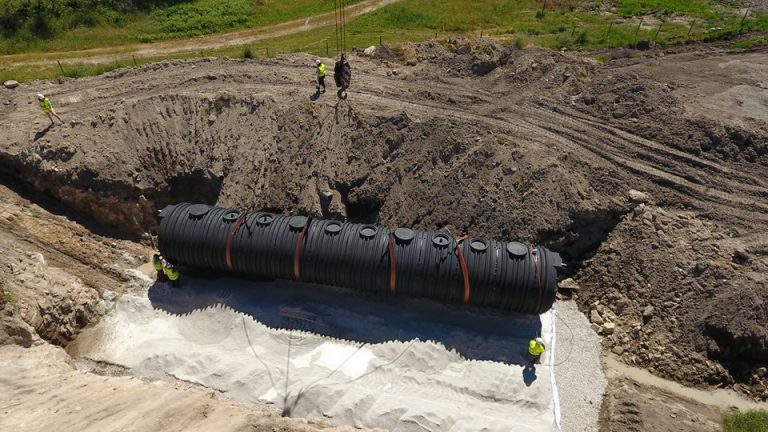
  • Elimination of soil and groundwater contamination due to the complete watertightness of the treatment units;
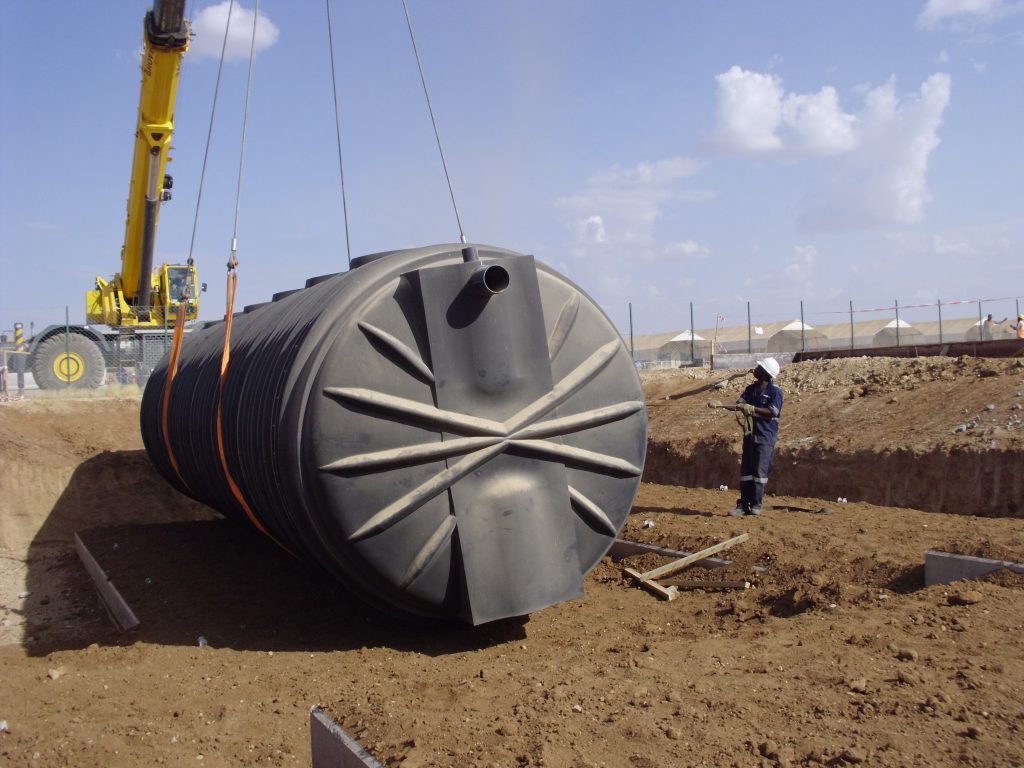
  • Ease and speed of installation (pre-assembled components and ISO 9001 factory conditions);
  • Easy to upgrade if production capacity increases - modular solutions.

The effluents generated have a very high organic load, which constitutes a strong threat to the environment, and represent a serious microbiological and toxicological risk to human health.

For this industry, ECODEPUR® adopts a case-by-case sizing of integrated treatment systems, taking into account the particularities of each facility, namely production capacity, type of products manufactured, availability of land and discharge requirements (collector/natural receiving environment/reuse).

In the case of integrated systems, with slaughtering, processing and transformation, in order to make the process more efficient and consequently improve the cost/benefit ratio, it may be favourable to separate the lines of the various production areas and their respective pre-treatments, as in the case of blood run-off.

However, the treatment scheme basically consists of the following unit operations:

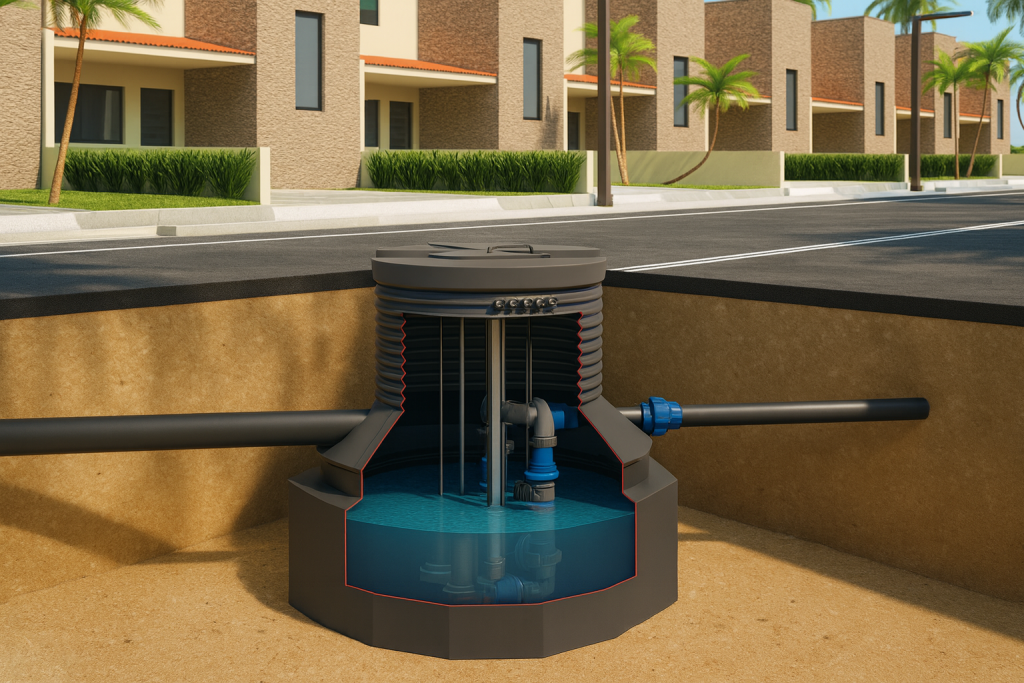
  • Pumping upstream of the treatment system;
  • Preliminary treatment with fine sieving to remove coarse and fine solids (< 2 mm)
  • Equalisation / Homogenisation, to minimise the effects of the great variation in the flow and quality of the effluent, optimising the operation of the downstream treatment stages;
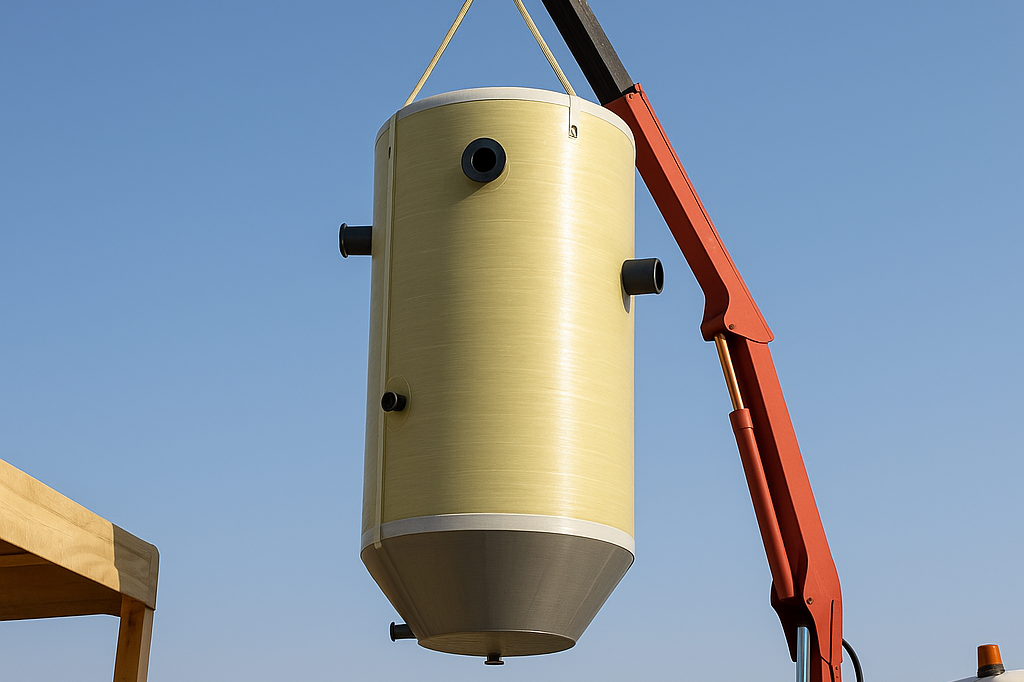
  • Dissolved air flotation (DAF), in order to remove suspended solids, grease and organic matter. The performance achieved by DAFs can be optimised with the addition of coagulants and flocculants;
  • Biological treatment. In this context, ECODEPUR® has a wide range of technologies available, including activated sludge reactors with a nitrification/denitrification process in the SBR regime and MBBR mixed bed reactors;
  • Tertiary treatment, whenever the treated effluent is to be reused or in situations of more demanding discharge standards.

Contact us

We're here to help! Contact us to find out more about our solutions and to discuss your next project with our experts.

Slaughterhouses and meat processing

You can download the technical information on the equipment here.

ModelFile

Access the technical files

Login