Sustainable Production: Challenges and Solutions for the Meat Sector
The effluents generated have a very high organic load, which poses a serious microbiological and toxicological risk to human health.
In the case of integrated systems, with slaughtering, processing and transformation, in order to make the process more efficient and consequently improve the cost/benefit ratio, it may be favourable to separate the lines of the various production areas and their respective pre-treatments, as in the case of blood run-off.
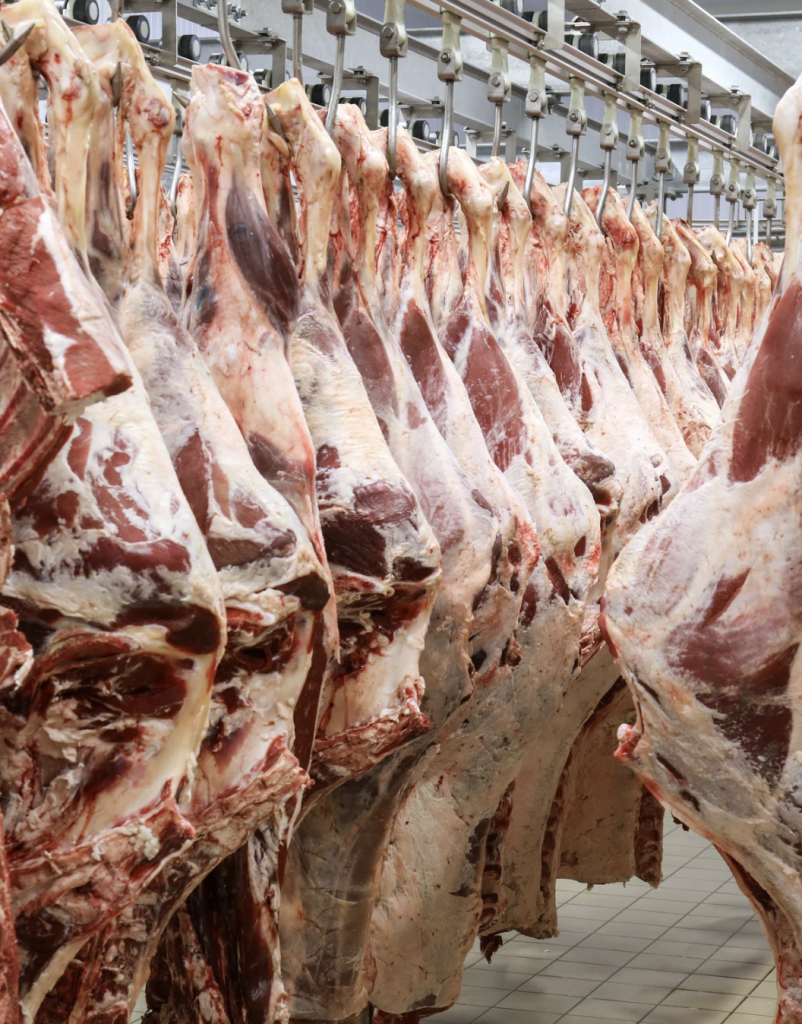
Water consumption and the level of contamination of wastewater in slaughterhouses depend essentially on the following factors: - Animal species;
- Nature and capacity of the installation;
- Intensity of carcass washing;
- Existence of effective blood separation and treatment.
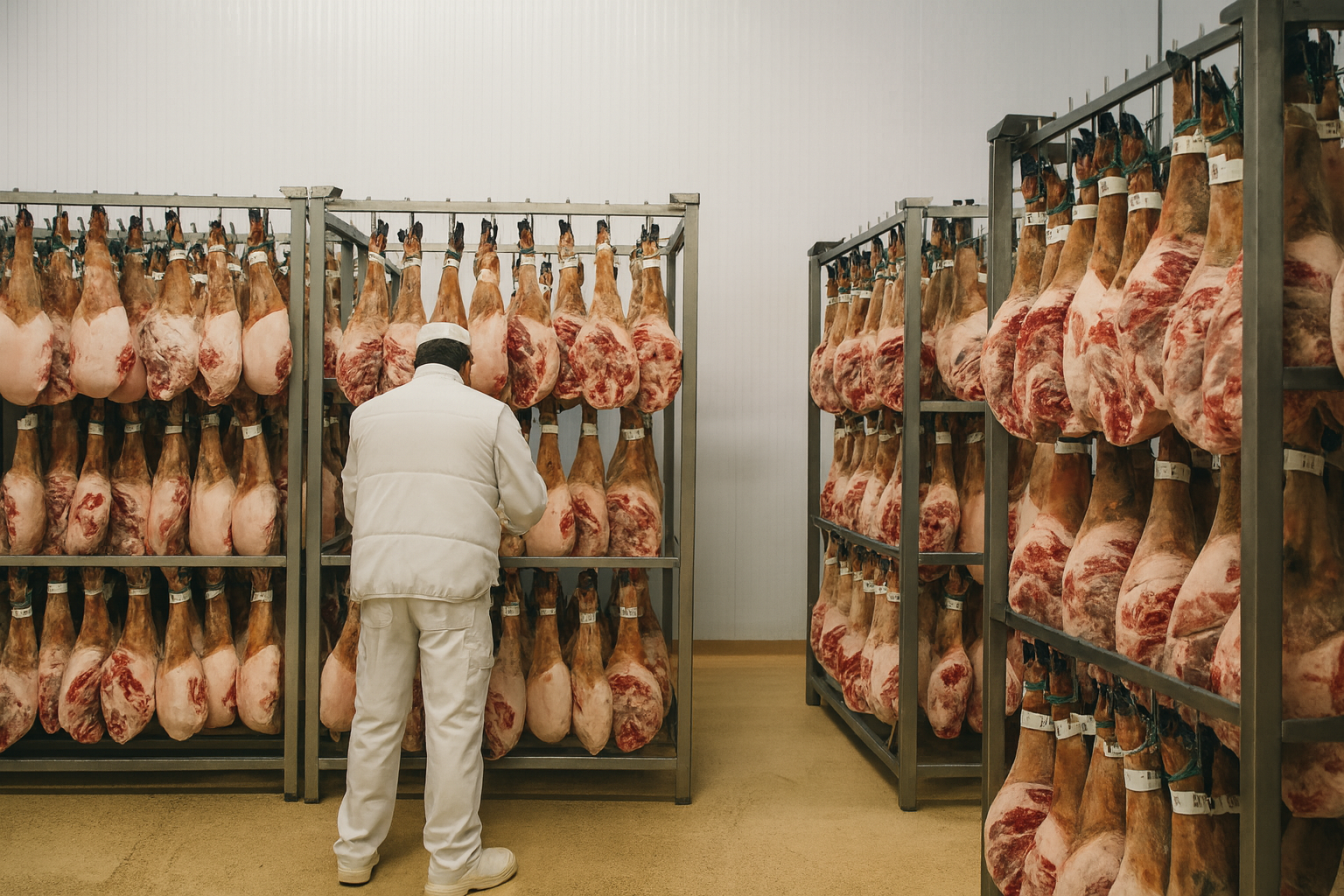
In meat processing plants, water consumption depends first and foremost on the product to be obtained (sausages, chorizo, salami, among others).
-