Fish Processing and Canning

From Fishing to Preservation: Sustainable Treatment of Fish Processing Water

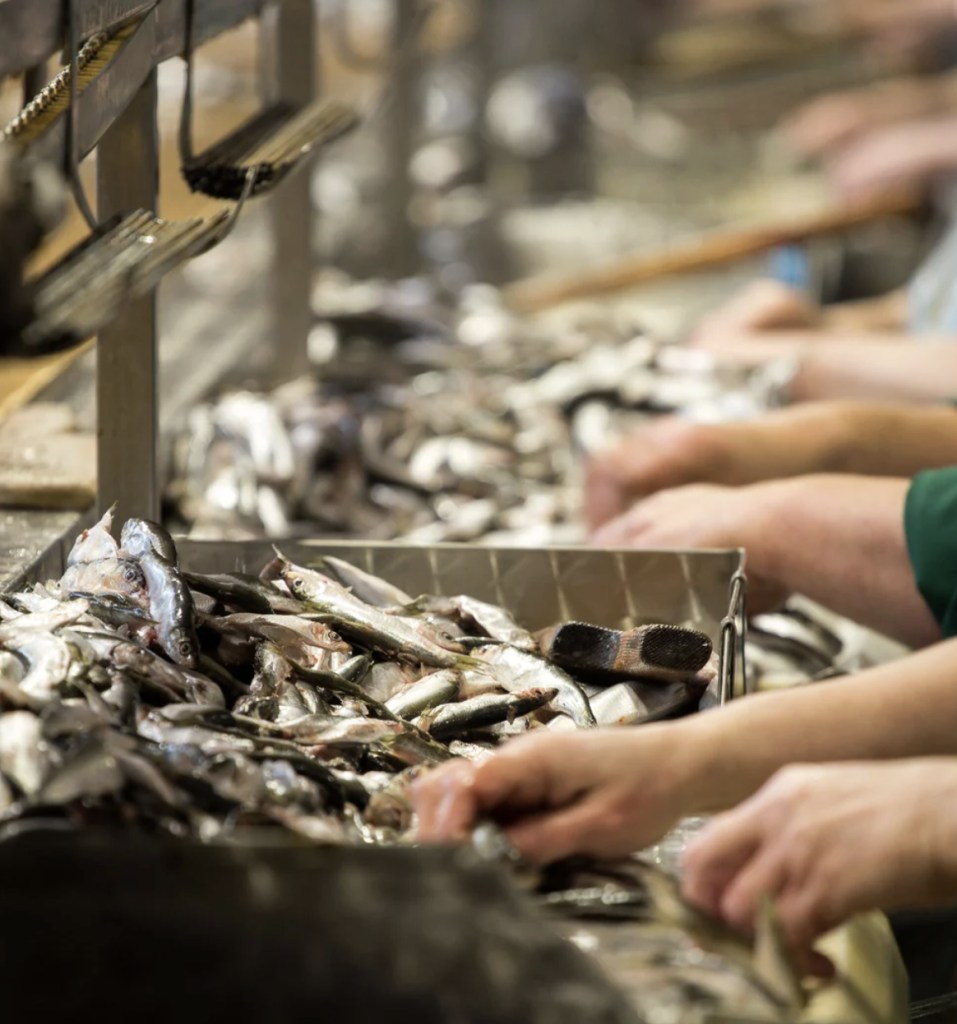
The effluents generated have varying characteristics, and there are several factors that are relevant to the pollutant load of wastewater, such as the type of processing, the material used or type of fish, the plant's operating routine, etc.

With the exception of cooling water, all effluents generated in the processing of tinned fish must be directed to a treatment plant.

The main environmental problems of this type of industry are mainly related to the consumption of large quantities of water, which originate mainly in the following processes:

  • Melted ice contaminated with blood;
  • Brine water from the treatment and washing of fish;
  • Defrosting water and rinsing water from the reception stage;
  • Water containing blood, entrails and fish remains;
  • Blood and liquid waste from processing;
  • Oils and leftovers from food preparation;
  • Water from can washing, equipment and installations.

As a result, large quantities of wastewater are produced, which are particularly difficult to treat due to their high content of organic matter and salts, as well as oils and fats.
  • Sizing on a case-by-case basis;

  • Proven experience;

  • Reliable and lasting compliance with legal requirements;

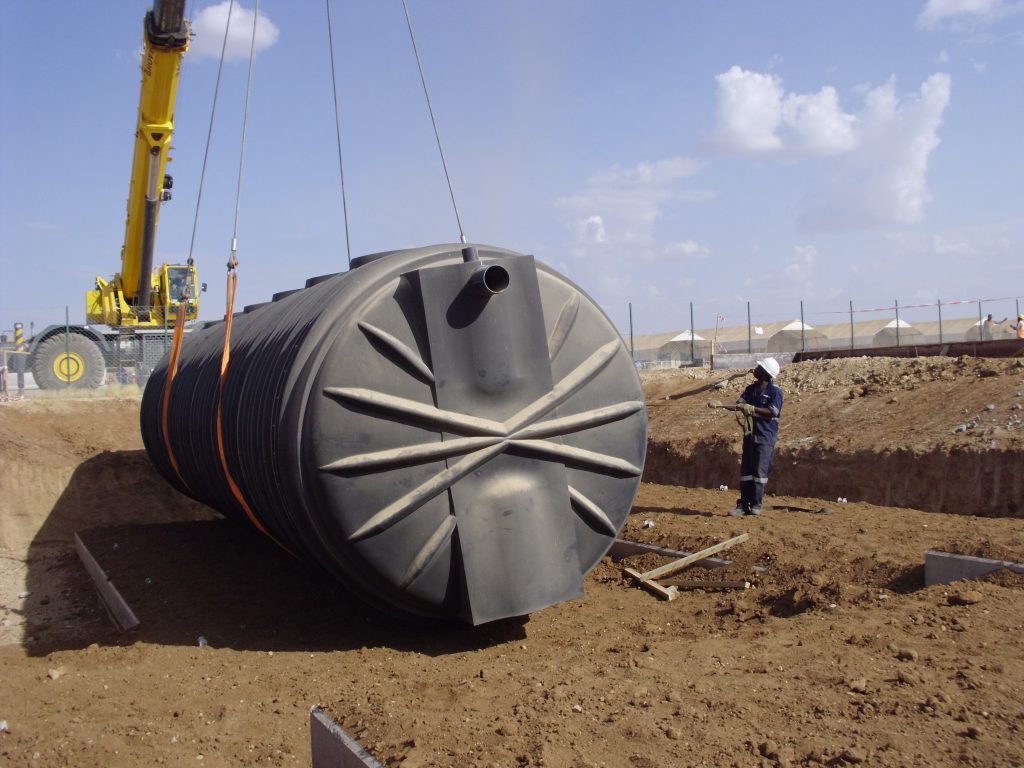
  • Elimination of soil and groundwater contamination due to the complete watertightness of the treatment units;

  • Ease and speed of installation (pre-assembled components and ISO 9001 factory conditions);

  • Easy to upgrade if production capacity increases - modular solutions.

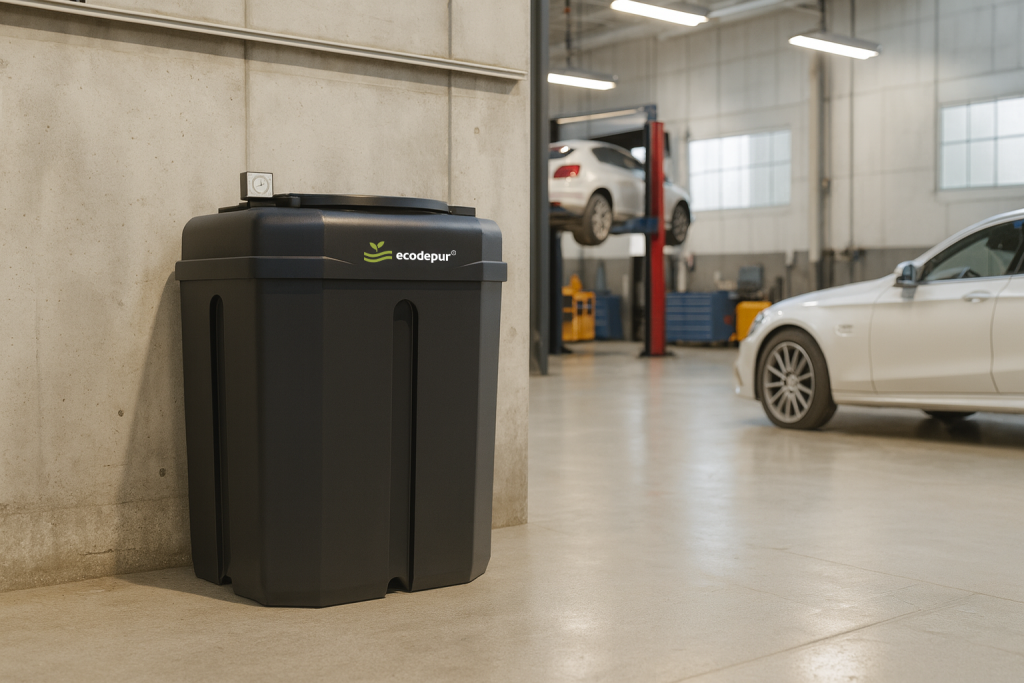
For this industry, ECODEPUR® adopts a case-by-case sizing of integrated treatment systems, taking into account the particularities of each facility, namely production capacity, type of products manufactured, availability of land and discharge requirements (collector/natural receiving environment/reuse).

  • Pumping upstream of the treatment system;

  • Preliminary treatment, with fine sieving to remove coarse and fine solids (< 2 mm);

  • Equalisation / Homogenisation, to amortise the variation in flow and composition of the effluent, optimising the operation of the downstream treatment stages;

  • A physical or physical/chemical process such as the use of a Dissolved Air Flocculator (DAF) to remove suspended and dissolved solids, fats and consequent organic matter. The performance achieved by DAFs can be enhanced by adding coagulants and flocculants.

  • Biological treatment. In this context ECODEPUR® has a wide range of technologies available, These include activated sludge reactors with an SBR nitrification/denitrification process and MBBR mixed bed reactors;

  • Tertiary treatment, whenever the treated effluent is to be reused or in situations of more demanding discharge standards.

Contact us

We're here to help! Contact us to find out more about our solutions and to discuss your next project with our experts.

Fish processing and canning

You can download the technical information on the equipment here.

ModelFile

Access the technical files

Login